Yarn
What yarn actually works in Indian weather
4 min read
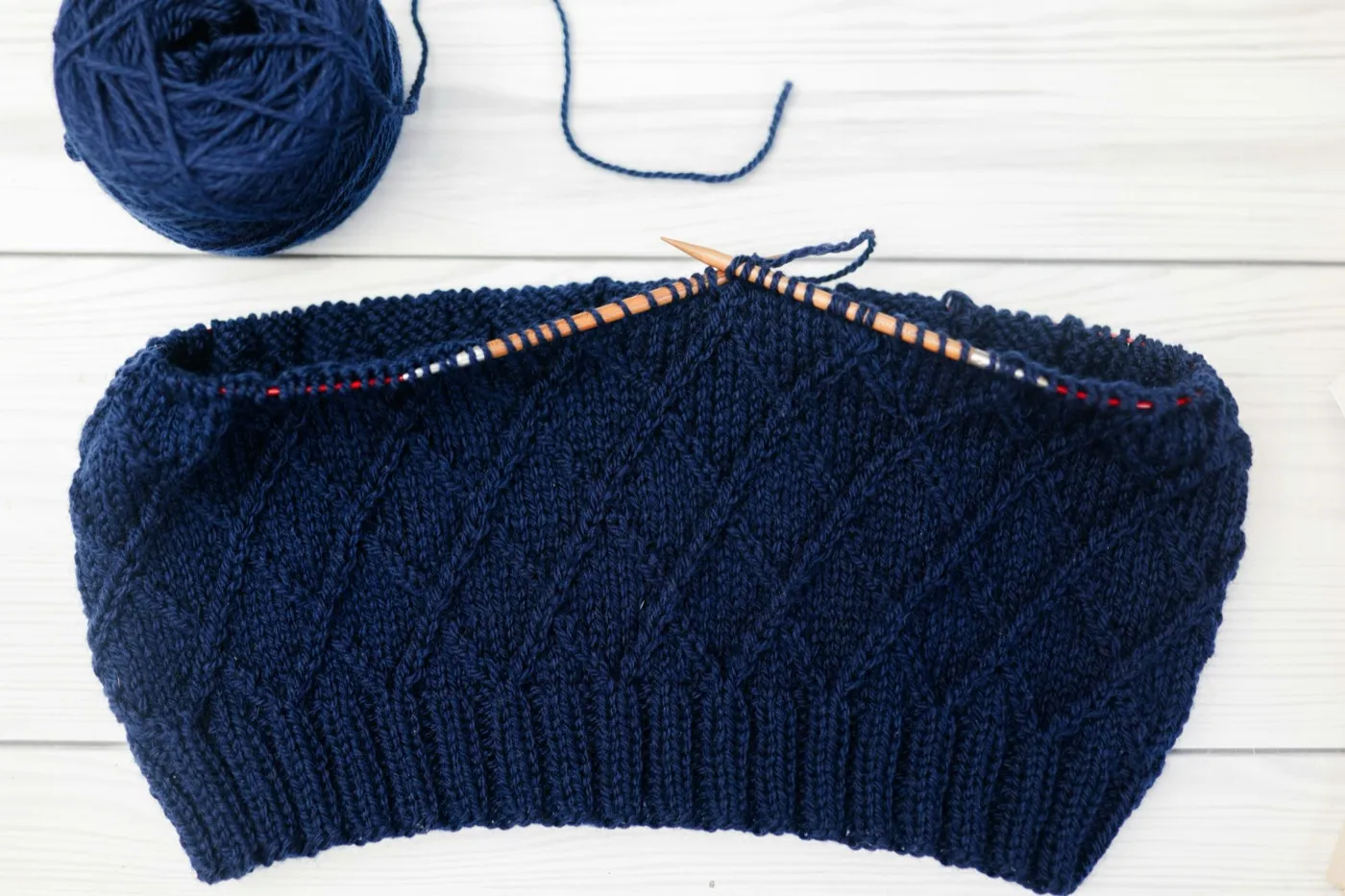
Almost every yarn guide you find online was written somewhere cold. It tells you to reach for thick wool, to layer up, to knit a sweater you can wear from November through March. That advice is not wrong. It was just written under a different sky. In Coimbatore we get maybe six weeks where a knit feels necessary, and a lot more where it feels lovely but has to be light. So we choose yarn differently.
Start with the weather you actually have
India is not one climate. A knit that works in Ooty in December would be unbearable in Chennai in April. Before you think about fibre, be honest about where the piece will live. We ask three things: how warm does it get, how humid does it get, and where will you wear it. A cardigan for an office is a different garment from a shawl for a hill station trip, even if they look the same on a hanger.
Air conditioning is the quiet reason most of our customers buy knitwear at all. Offices, cinemas, long bus rides, flights. It is thirty two degrees outside and twenty at your desk. You need something you can pull on and off in seconds.
Merino
Merino is the fine end of sheep wool, and it is the fibre people are most surprised by. It is nothing like the scratchy jumper you were made to wear to school. The fibres are thin enough to bend against skin instead of poking it, which is the whole reason it feels soft.
What makes merino useful here is how it handles moisture. It holds a good amount of water vapour before it ever feels wet, and it keeps insulating while damp. In practice a fine merino cardigan on a humid evening feels dry rather than clammy. It also resists smell, so it needs washing far less often than cotton does.
Where merino goes wrong is weight. A chunky merino sweater is a seriously warm garment and most of India has nowhere to put it. We knit merino in fine and mid weights for that reason: a light cardigan, a summer weight pullover, socks.
Alpaca
Alpaca is warmer than merino at the same weight and it drapes beautifully. It has a soft halo and a faint sheen that reads as expensive from across a room. The fibre is hollow at the core, which is what makes it so warm for how little it weighs.
That warmth is also the catch. Alpaca is a hill station fibre. If you are in Munnar, Manali, Ooty, Shillong or Darjeeling, or you travel north in winter, it is the best thing you can own. In a coastal city it is too much for most of the year. We use it for shawls and scarves more than for sweaters, because a shawl can come off.
Alpaca also has almost no stretch. It grows a little with wear and it does not bounce back the way wool does. We knit around that, but it is worth knowing before you buy.
Cotton
Cotton is the obvious answer for a hot country and it is a good one, with caveats. It breathes, it washes easily, it itches nobody, and it feels cool against skin. For summer tops, baby clothes and crochet bags it is what we reach for first.
But cotton is heavy and it has no memory. Knit it loosely and the garment travels downward and stays there. Cuffs go soft, necklines widen. The way around that is stitch choice rather than fibre choice: a firmer gauge, ribbing that does real work, and a shape that is not fighting gravity. Cotton also takes a long time to dry, which matters a lot in the monsoon.
Blends, and why we use so many of them
Most of what we knit is a blend, and that is not a compromise. A blend lets you take the part of each fibre you want. Merino with a little nylon makes socks that survive being walked in. Cotton with a touch of wool gets some spring back without getting hot. Acrylic has a bad name, but a good acrylic blend is light, holds colour and survives a washing machine, which for a growing child matters more than fibre snobbery does.
- Fine merino: air-conditioned offices, travel, anything you want to wear year round.
- Alpaca: hill stations and north Indian winters. Shawls before sweaters.
- Cotton: summer tops, babywear, crochet bags and toys.
- Merino with nylon: socks, cuffs, anything that takes friction.
- Cotton and acrylic blends: kids clothes that have to go in the machine.
One last thing: shade
Colour behaves differently under strong sun. Deep dyes flatten out and can fade over years of drying outdoors. Our marigold and coral shades hold up well. Dry anything you wear in direct sun inside out and in the shade, and it will keep its colour far longer.
If you can only own one knit in this country, make it a fine merino cardigan. It works in an office, on a flight, and on a cold morning in Ooty.
Meera, who has lost count of the cardigans
If you are unsure, tell us where you live and where you plan to wear the piece. We knit to order, so the yarn gets chosen after you ask rather than before. That is the whole advantage of making things one at a time.
More from the journal
New notes on yarn, care and how the studio works land here every few weeks.
Back to the journal